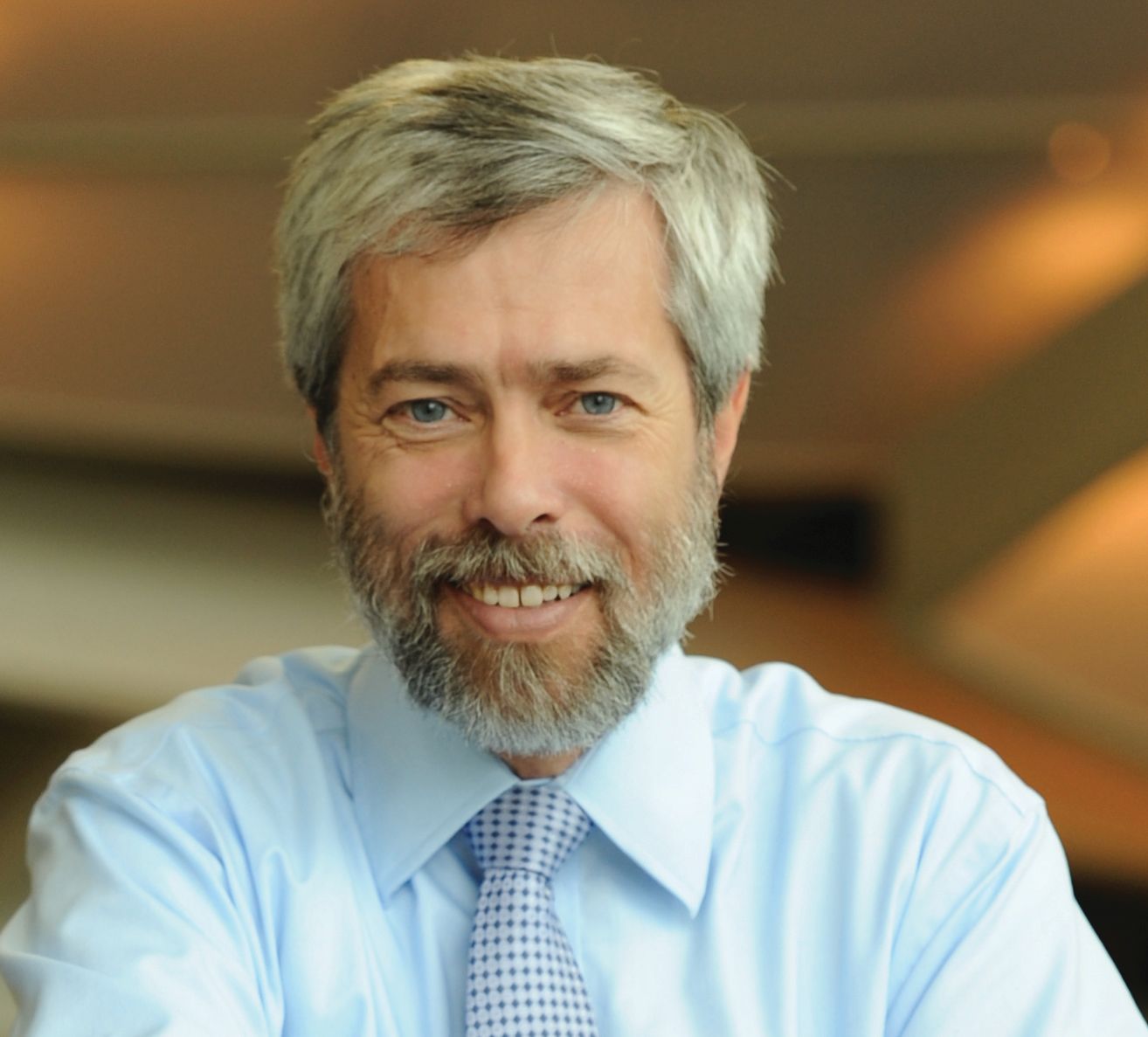
 Gordon T. Smith
An Invitation: Theological Formation for Christian Ministry
To: Those considering the place of theological education in their formation for ministry
From: Jeffrey P. Greenman and Gordon T. Smith
Dear friend,
You recognize God’s call on your life to serve him. Perhaps you even feel a divine
nudge toward being a chaplain or providing congregational leadership. It follows that you would carefully consider how best to be formed and equipped to become all that you are called to be—for God and for the reign of Christ in the world. What kind of learning—intellectual, spiritual, practical—is called for?
Some might advise you to just do the bare minimum: take a course, online or wherever you an find it. Others might discourage you from the so-called “ivory tower” and urge you to keep it practical and down to earth – that all you really need is a hands-on program that focuses on the immediate skills you need for a certain ministry responsibility. In response, here is our advice to you.
You will be best equipped for the ministerial leadership through in-depth and
foundational study of Scripture and the Christian intellectual and spiritual heritage. If God is calling you to serve in the church and in witness to the reign of God in Christ, then you owe it to yourself to get the best education possible. We recall that Billy Graham reflected that if he had his life to do over again, he would study more and preach less. John Wesley provided a portable Christian library of fifty theological books to his itinerant preachers so that their ministry would be nurtured by substantial study.
The best education possible will be deeply formative of your Christian faith, rooting your life in the reality of the Gospel and nurturing your fellowship with the triune God of grace. It will foster Christ-focused integration of your whole being — head, heart and hands — in ways that should not be shortchanged. Engage in an education that is unashamedly theological education, entering into the deep truths of Christian faith that form the basis for all genuinely Christian service.
With that in mind, this is our counsel to you:
- Study with excellent teachers. Find ways to sit at the feet of women and men who are accomplished scholars. If you want to teach and preach the Old Testament prophets, you want to learn from the best interpreters of Jeremiah and Isaiah and the other prophets. Further, you want to draw from the best of the Christian theological and spiritual heritage. Seek out opportunities for unhurried learning from a gifted teacher whose expertise is the history of the church and Christian spirituality.
- Learn to think critically. The best education is not about what you should think but how and why. For both of us, the teachers with the greatest influence in our lives were not those who gave us the answers but rather those who taught us how to think for ourselves, to think critically, carefully and with creativity. This means that the best education also includes encouraging your capacity to be a continuous learner. New challenges and shifting contexts will demand that you learn new things and respond wisely to unexpected questions. There is no substitute for reading and writing, the mental diligence of wrestling with complex issues, and the kinds of preparatory work typically provided by a theological seminary.
- Think long term. You will likely have three or four – or more! – significant career transitions through your life and ministry. We live and serve in a fluid
environment. And so, you will want an education that prepares you for life – for what you will be facing in ten and twenty years. You want an education that will equip you not so much for your first job or appointment but for a lifetime of service in the church and in the world, even into your senior years. - Value the arts. The artists in our midst and in our heritage open our hearts and minds to know God’s truth through beauty and creativity. Poetry, novels, paintings, and music nurture our hearts and inspires our imaginations. We consider Handel’s Messiah as a theological and musical treasure. Study how the creative arts can speak in powerful ways to a world searching for meaning and connection. Let the hymns of the faith company your study and learning.
- Recognize the priority of the interior life – the movement of the heart. The ancient church spoke of the ordering of the affections. Others speak of the integration of head and heart. You must attend to matters of your emotional maturity, particularly in our polarized, cynical and angry world. Grow in your capacity to live with the peace that transcends understanding. Discover a heart filled with joy even during the trials and challenges of life and work and ministry. Here too, the hymns can play a vital role in our lives but give particular attention to the Psalms of the Old Testament.
- Learn in community. For both of us, we learned immensely from peers during our years of formal theological study. We valued and still value fellow learners with whom we can discuss, deliberate and debate. Their insights, questions, and challenges forced us to listen carefully, learn from others, honour how God is moving in other people and places, and be willing to revise our assumptions, even to change our minds. The best learning happens in community and anticipates what it means to be an effective colleague in ministry.
- Practice what you learn. By enacting what you learn, your learning roots deeply in your heart and mind. Christian practice needs to arise from critical theological reflection. If you want to preach, you need a biblically rooted theology of the Word that informs your speaking. If you want to lead worship, you need to how worship is informed and shaped by the Triune character of God. But then, practice follows. As you study, serve. As you learn, do. Let your doing to inform your thinking and your thinking inform your doing.
- Most of all, in the language of Heb. 12:2, look to Jesus: keep Christ the crucified and ascended Lord ever before you in your consciousness and in your heart. Consider your theological study as an act of worship. Seek the Holy Spirit’s guidance at each step. Imagine yourself on your knees over your books and as you write essays on complex questions. Set your mind on things above, where Christ is seated at the right hand of God (Col. 3:1-2). This is the north star, the compass that guides your thinking and the orientation of your heart and your service.
Finally, choose an opportunity for formal study in an accredited, high-quality seminary or theological school. Our experience with thousands of students over three decades in Asia, Canada and the US has been that the investment of time, energy, and resources is worth it. May you find your way into the life-giving and joyful discovery of the treasures of biblical-theological-spiritual formation that will equip you for fruitful, long-term service of Christ and his Kingdom.
Jeffrey P. Greenman is Research Professor of Theology and Ethics at Regent College in Vancouver, where he previously served for ten years as President.
Gordon T. Smith is Executive Director of Christian Higher Education Canada (CHEC) and previously served for twelve years as President of Ambrose University and Seminary in Calgary.